National selection of top producer of
poison and fertilizer
in Iran

Omid International Conference
International Conferences Center
In Tehran
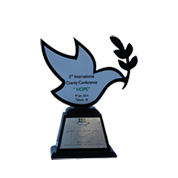
Omid Second International Conference
International Conferences Center
In Iran

Omid Third International Conference
International Conferences Center
In Iran

Omid Fourth International Exhibition
International Conferences Center
In Tehran
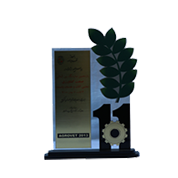
11th International Agricultural Industry
Exhibition
Machinery and related services
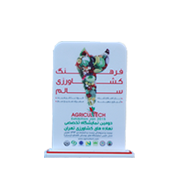
Second Specialized Agricultural Exhibition
The permanent location of
the Bustan fairs
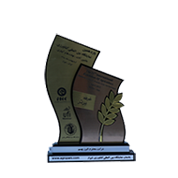
11th International Agricultural Fair
Premier Booth
In Iran

Sixth specialized exhibition
Tehran Agricultural Agencies
In Iran
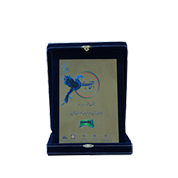
National Award for Top
Manufacturing Unit
In Iran-gazvin

First place
Safir Cup Tournament
In Winter

Top Team
Ramezan Cup Tournament
TehraniMoghadam
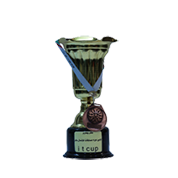
Third place
Safir First Futsal Cup Tournament
itcup

Product: Behsam Dichlorvos 50% EC (Emulsifiable Concentrate)
Brand:
Category: Pesticides
Subcategory: Insecticides
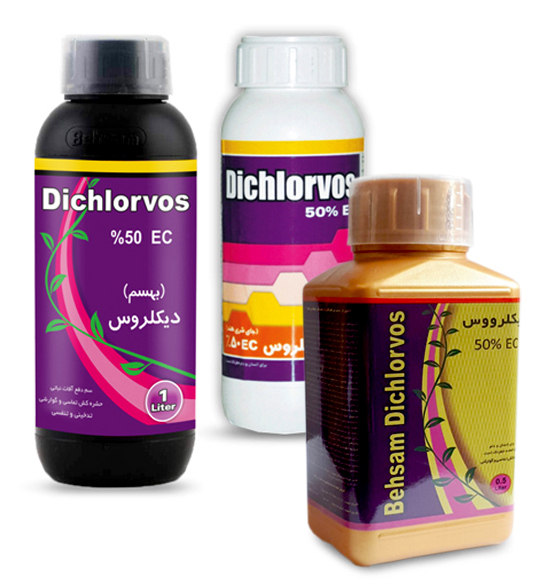
Product Name: Dichlorvos 50% EC (Emulsifiable Concentrate)
Trade Name: DDVP / Dedvap
Group: Organophosphate
WHO Toxicity Class: II – Toxic and Harmful
Type: Insecticide with contact, stomach (ingestive), fumigant, and penetrative action
Pre-Harvest Interval (PHI): 3 days
Application Management:
- Dichlorvos inhibits blood cholinesterase activity.
- It has a strong knockdown (rapid action) effect with a short residual protection period (2–5 days).
- Due to its high vapor pressure, residues dissipate within three days, making it suitable for use on early-harvest and greenhouse crops.
- Despite being non-systemic, Dichlorvos is highly effective against sucking insects, as well as caterpillars, beetles, and flies (especially in mushroom cultivation).
- Best results are achieved when the ambient temperature is between 15–25°C and the target area is relatively dry.
- The insecticidal effect is mainly through vapor action and does not affect insect eggs.
Compatibility and Mixing Guidelines:
- At the recommended dosage, Dichlorvos is generally safe for crops, except chrysanthemums, which may show phytotoxicity (leaf burn) under certain conditions.
- Do not apply other insecticides, especially sulfur-based formulations, one day before or after Dichlorvos application.
- Avoid mixing with alkaline compounds, quinomethionate (Morestan), or polysulfides.
- Do not use as a domestic insecticide.
- When spraying cucumbers, avoid direct application on the growing plants — apply between crop rows instead.
Target Crops and Application Rates:
|
Crop / Environment |
Pest |
Application Rate |
|
Greenhouses |
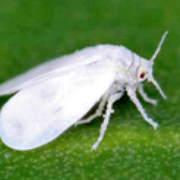
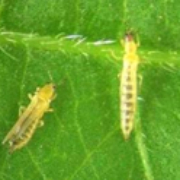
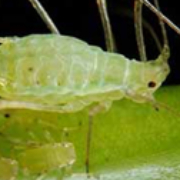
Aphids, Thrips, Whiteflies |
8 cc per 100 m³ of space |
|
Fruit Trees |
Aphids, Thrips, Whiteflies |
1–2 L per 1000 L water |
|
Tea and Cucurbits |
Aphids, Thrips, Whiteflies |
0.5–1 L per hectare |
|
Vegetables and Melons |
Aphids, Thrips, Whiteflies |
1.5–2 L per 1000 L water |
Notes:
- Avoid application under high humidity or extreme temperatures.
- Follow protective measures during mixing and spraying due to acute toxicity risk.
- Dichlorvos should only be used on the listed crops and pests under the supervision of agricultural specialists.