51 article found


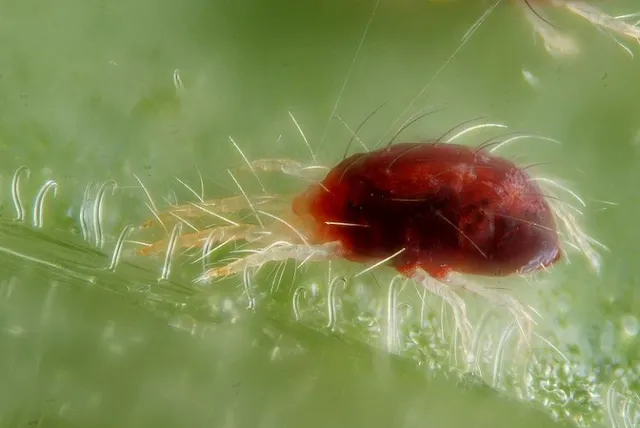

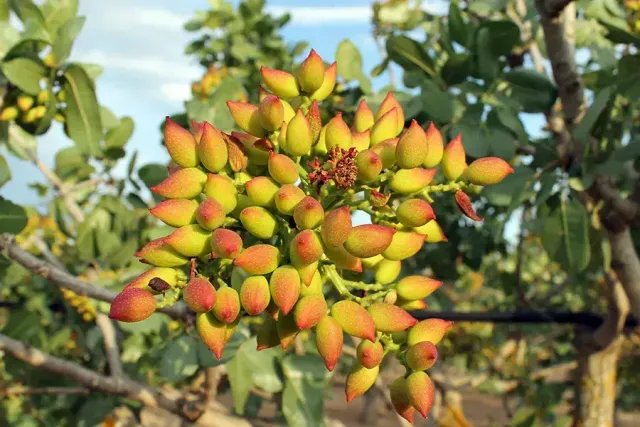




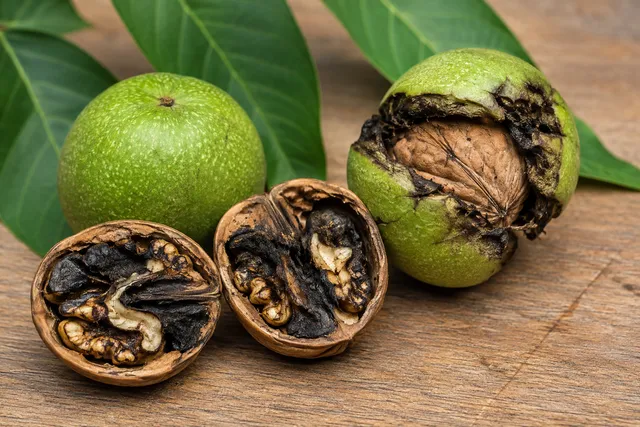
Learn about walnut tree nutrition, fertilization and irrigation, the main causes of black walnut kernels, and practical ways to improve kernel quality.

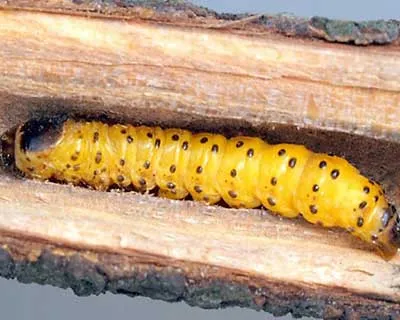
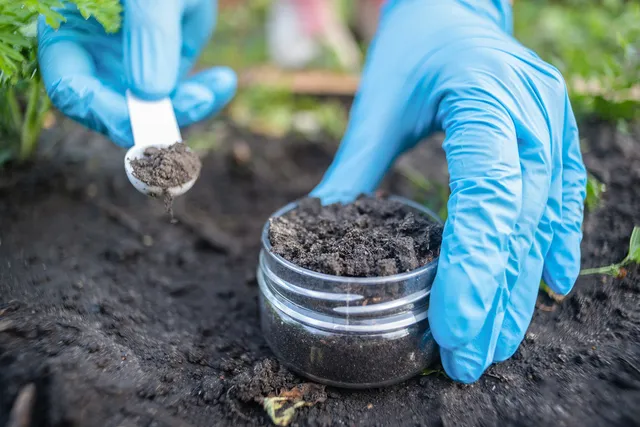
Learn what high-potassium fertilizer is, its benefits, best application time, types, uses for fruit development, and how to choose the right potassium fertilizer.

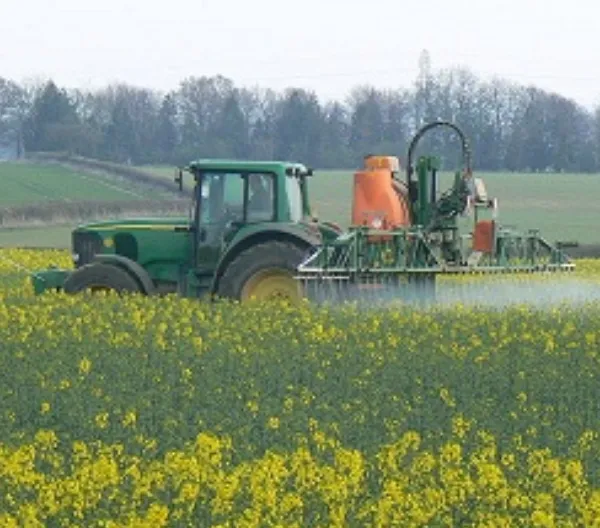
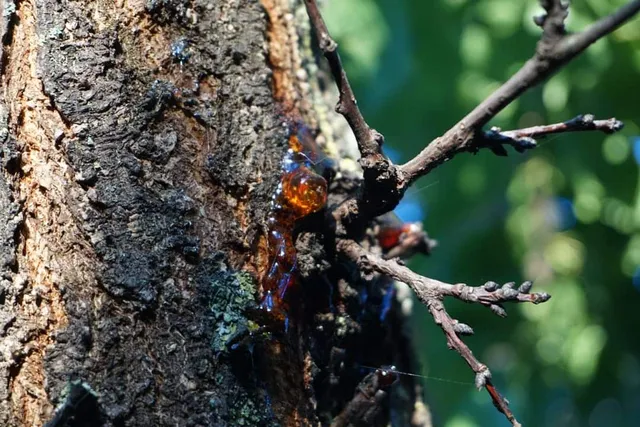
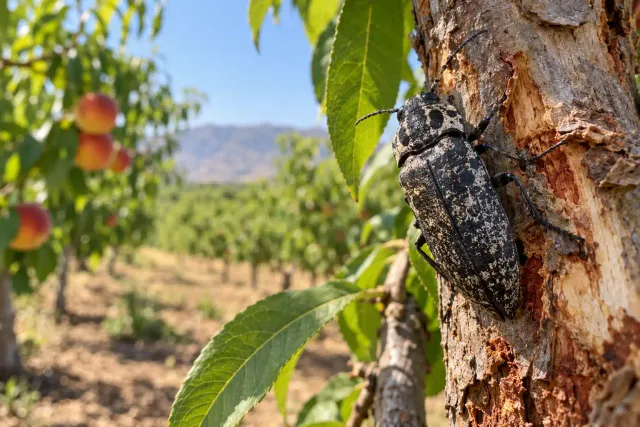
Learn the 10 most common spraying mistakes that reduce pesticide performance and discover practical solutions to improve crop protection and spraying efficiency.
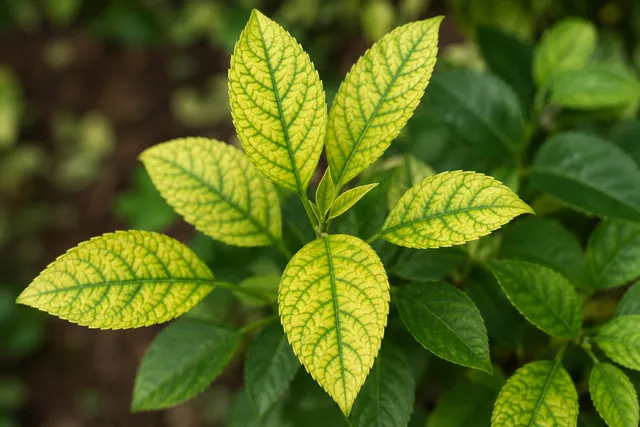
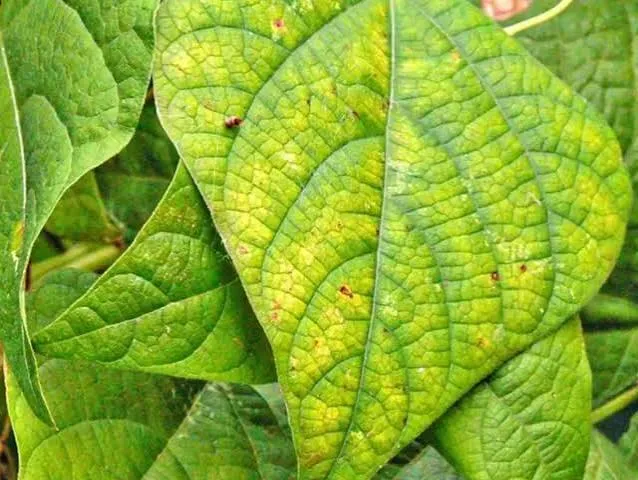
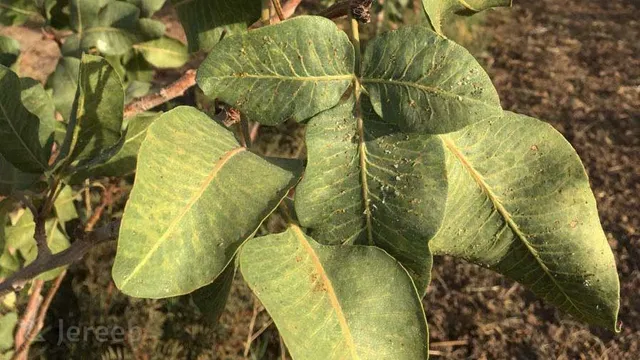
Learn about iron deficiency in plants, including symptoms, causes, diagnosis, prevention, and effective treatment methods to improve plant health and crop productivity.

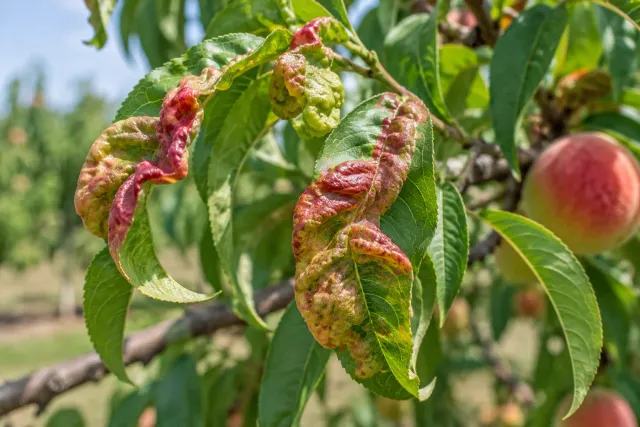
Learn how to identify, prevent, and control grapevine powdery mildew. Discover symptoms, causes, disease management strategies, and effective fungicide solutions for healthier vineyards.
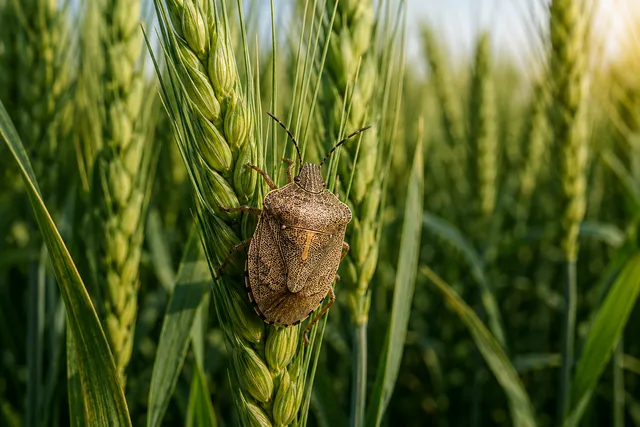
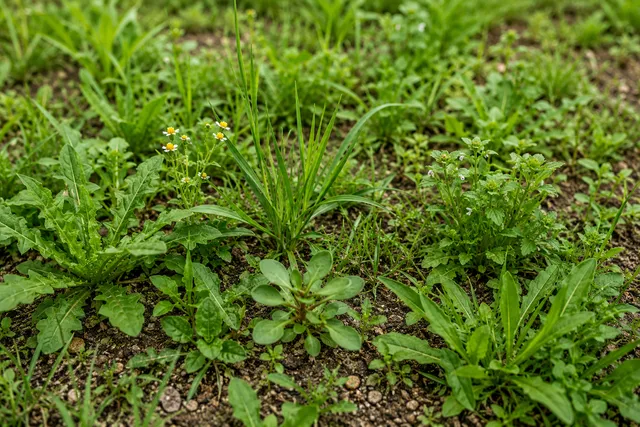
Learn what weeds are, how they affect crop production, and discover the most effective mechanical, cultural, biological, and chemical weed control methods for sustainable agriculture.

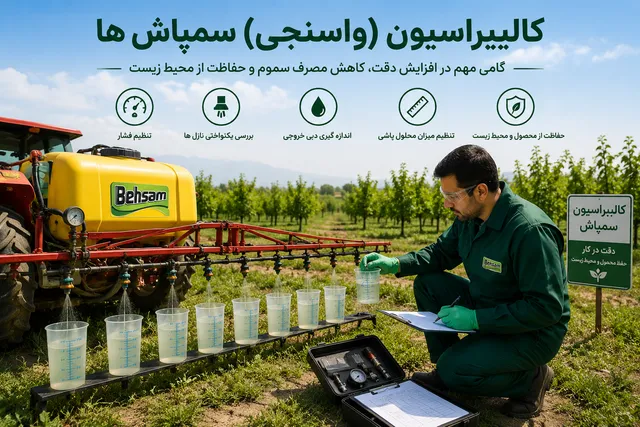
Adjusting the sprayer to spray a certain amount of toxic solution per hectare with a predetermined diameter of the drain and a certain number of drains per square centimeter is called calibration. Calibration is the determination of the amount of toxic solution that is spread by the sprayer in a specific surface unit (e.g., ha). Due to the variety of sprayers, the calibration of sprayers is certainly different.
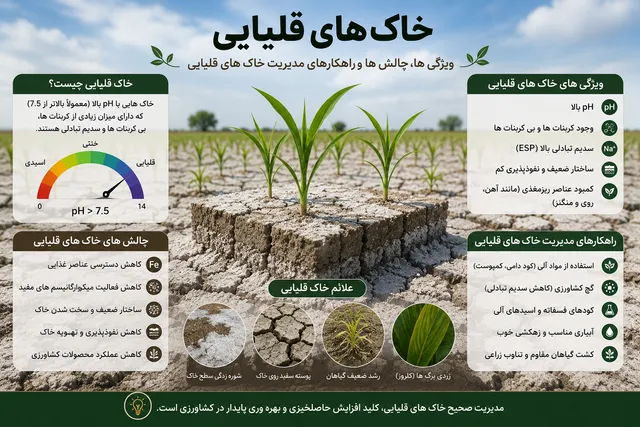
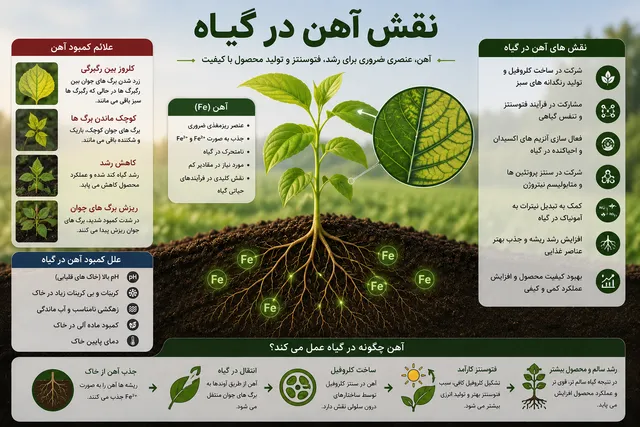
Iron is one of the most important and essential micronutrients for all plants. Iron deficiency is one of the most common nutrient deficiencies in orchards and agriculture of most agricultural areas of the country. An important point to note is that all micronutrients except molybdenum are inaccessible to plants by increasing the pH of the culture medium, but become absorbable to plants by decreasing the pH of the culture medium. The ideal pH range for plants varies depending on their ability to absorb nutrients.