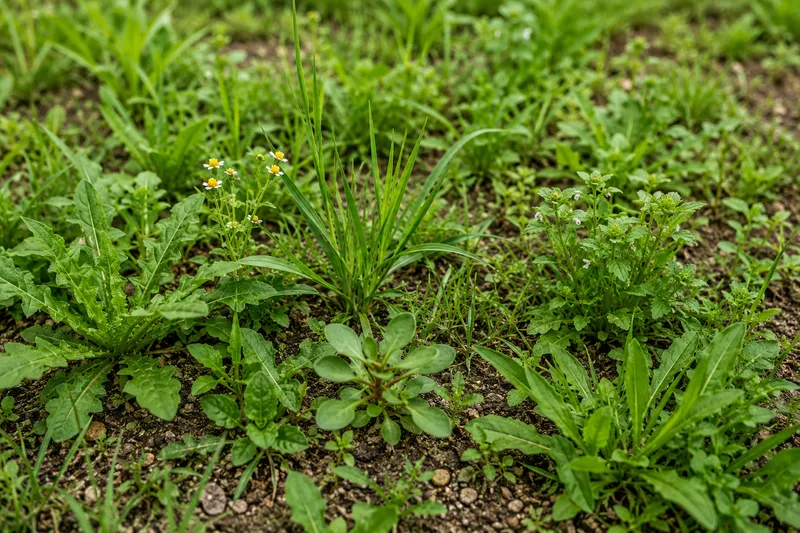
Weeds: Types, Damage & Effective Weed Control Methods | Complete Guide
Learn what weeds are, how they affect crop production, and discover the most effective mechanical, cultural, biological, and chemical weed control methods for sustainable agriculture.
Weeds: A Complete Guide to Identification, Damage, and Effective Weed Control Methods
Introduction
Weeds are among the most serious challenges facing modern agriculture worldwide. These unwanted plants compete with crops for water, sunlight, nutrients, and growing space. If left unmanaged, they can significantly reduce crop yield, lower product quality, and increase production costs.
Many farmers consider weeds to be nothing more than unwanted plants. However, numerous weed species also serve as hosts for insects, pests, and plant diseases, making them an even greater threat to agricultural production.
Today, successful weed management goes beyond simply applying herbicides. Agricultural experts recommend Integrated Weed Management (IWM)as the most effective strategy for reducing weed pressure while improving crop productivity and ensuring sustainable farming.
In this article, you'll learn what weeds are, why they are harmful, the different types of weeds, and the most effective methods for controlling them.
| 🌱 Topic | 📌 Summary |
|---|---|
| What Are Weeds? | Unwanted plants that grow in agricultural fields and compete with crops for water, nutrients, sunlight, and growing space. |
| Main Damage | Reduced crop yield, lower product quality, and increased production costs. |
| Why Do Weeds Spread Quickly? | Rapid growth, abundant seed production, and excellent adaptability to different environmental conditions. |
| Control Methods | Mechanical, cultural, chemical, and biological weed control. |
| Best Management Strategy | Integrated Weed Management (IWM) is the most effective and sustainable approach for long-term weed control. |
💡 Expert Tip
The most effective time to control weeds is during their early growth stages. Delaying weed management allows weeds to compete more aggressively for water, nutrients, and sunlight, making them more difficult and expensive to control later in the growing season.
What Are Weeds?
A weed is any plant growing where it is not wanted. In agriculture, weeds are undesirable plants that compete with cultivated crops for essential resources such as water, nutrients, sunlight, and space.
Interestingly, a plant considered a valuable crop in one location may be regarded as a weed in another, depending on the farming system and production goals.
Most weeds share several characteristics, including rapid growth, abundant seed production, strong adaptability, and the ability to survive under various environmental conditions. These traits make them difficult to manage if control measures are delayed.
Why Are Weeds Harmful?
Weeds directly reduce crop productivity by competing with cultivated plants for the resources needed for healthy growth.
Their extensive root systems absorb significant amounts of water and nutrients, leaving crops under stress. At the same time, dense weed populations block sunlight, reducing photosynthesis and slowing plant development.
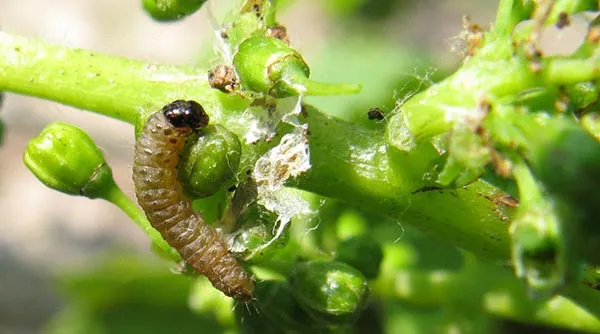
Many weed species also provide shelter for insects, nematodes, fungal pathogens, bacteria, and viruses, increasing the risk of pest and disease outbreaks throughout the growing season.