Iron Deficiency in Plants: Symptoms, Diagnosis & Best Treatment Methods
Learn about iron deficiency in plants, including symptoms, causes, diagnosis, prevention, and effective treatment methods to improve plant health and crop productivity.
Iron Deficiency in Plants: Symptoms, Causes, Diagnosis, and Effective Treatment
Introduction
Iron deficiency is one of the most common nutritional disorders affecting agricultural crops, orchards, and greenhouse plants worldwide. It is typically characterized by the yellowing of young leaves, reduced plant growth, and lower crop productivity. If left untreated, iron deficiency can significantly affect both yield and product quality.
Although plants require iron in relatively small amounts, it plays a crucial role in chlorophyll formation, photosynthesis, enzyme activity, and overall plant development. Early diagnosis and proper nutrient management are essential for maintaining healthy crops and maximizing productivity.
What Is Iron Deficiency in Plants?
Iron deficiency occurs when plants are unable to absorb sufficient iron from the soil or when iron is present but unavailable due to unfavorable soil conditions.
In many cases, the soil contains adequate iron; however, factors such as high soil pH, calcareous soils, salinity, poor drainage, or improper irrigation reduce its availability to plant roots.
The Role of Iron in Plant Growth
Iron is an essential micronutrient involved in several vital physiological processes, including:
- Chlorophyll synthesis
- Photosynthesis
- Cellular respiration
- Energy transfer
- Enzyme activation
- Healthy shoot and leaf development
Although iron is not a structural component of chlorophyll, it is indispensable for its production.
Symptoms of Iron Deficiency
The most common symptoms include:
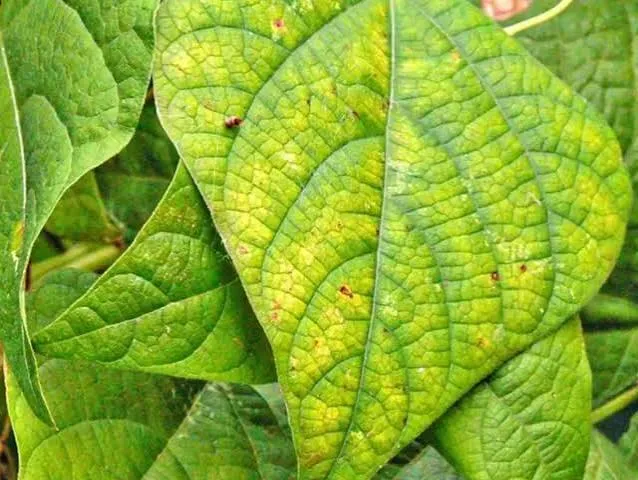
- Yellowing of young leaves
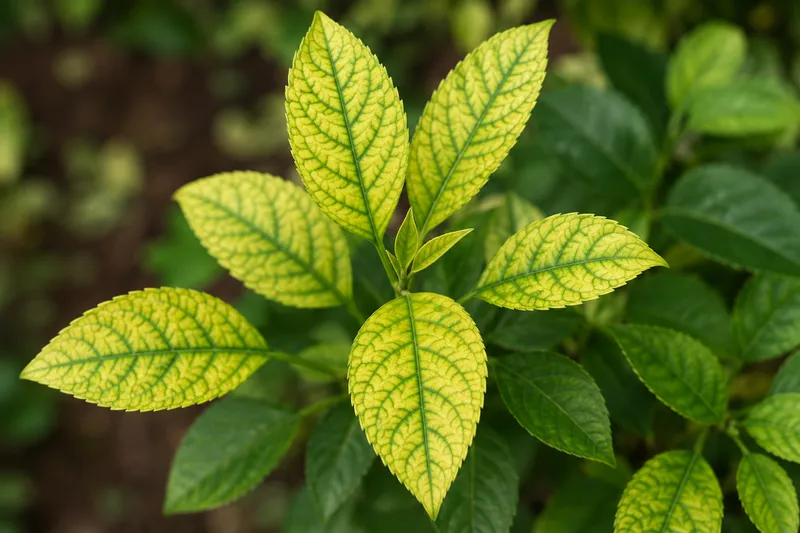
- Green veins with yellow tissue between them (interveinal chlorosis)
- Reduced shoot growth
- Smaller leaves
- Poor flowering
- Reduced fruit set
- Lower crop quality and yield
In severe cases, young leaves may become almost white, and plant growth may stop.
Main Causes of Iron Deficiency
High Soil pH
Alkaline soils convert iron into forms that are unavailable for plant uptake.
Calcareous Soils
High lime content significantly reduces iron availability.
Poor Irrigation Management
Excessive irrigation decreases soil oxygen levels, limiting root activity and nutrient absorption.
Soil Salinity
High salt concentrations interfere with iron uptake by plant roots.
Excessive Phosphorus Application
Too much phosphorus can reduce iron availability.
Weak Root System
Damaged or unhealthy roots absorb nutrients less efficiently.
Crops Most Susceptible to Iron Deficiency
Iron deficiency commonly affects:
- Grapevines
- Citrus trees
- Apple trees
- Pear trees
- Peach trees
- Pistachio
- Tomato
- Cucumber
- Pepper
- Strawberry
- Ornamental plants
How to Diagnose Iron Deficiency
Accurate diagnosis can be achieved through:
- Visual symptom observation
- Soil analysis
- Leaf tissue analysis
- Soil pH testing
- Irrigation water quality assessment
Proper diagnosis helps distinguish iron deficiency from deficiencies of magnesium, manganese, or zinc.
Prevention Strategies
The risk of iron deficiency can be reduced by:
- Maintaining optimal soil pH
- Improving soil organic matter
- Applying balanced fertilization
- Managing irrigation efficiently
- Preventing excessive phosphorus application
- Using appropriate iron fertilizers when necessary
Effective Treatment Methods
Once iron deficiency is confirmed, the following practices are recommended:
- Applying chelated iron fertilizers
- Foliar iron sprays when appropriate
- Correcting soil pH
- Improving soil conditions
- Implementing a balanced nutrient management program
The choice of iron fertilizer should be based on crop type, soil characteristics, and laboratory analysis.
Common Grower Mistakes
- Applying iron fertilizers without soil testing
- Using unsuitable iron sources in alkaline soils
- Overusing phosphorus fertilizers
- Poor irrigation management
- Ignoring soil pH
Recommended Solution
High-quality chelated iron fertilizers can effectively supply available iron to plants and help prevent nutrient deficiencies. The most suitable product should be selected according to crop requirements, soil conditions, and professional agricultural recommendations.
Conclusion
Iron deficiency is one of the most widespread nutritional disorders in plants. It reduces chlorophyll production, limits growth, and negatively affects crop quality and yield. Early diagnosis, proper soil management, balanced fertilization, and timely iron supplementation are essential for maintaining healthy plants and achieving sustainable agricultural production.
Frequently Asked Questions (FAQ)
What is the first symptom of iron deficiency in plants?
The earliest symptom is yellowing of young leaves while the veins remain green.
Can soil contain iron but plants still suffer from deficiency?
Yes. In alkaline or calcareous soils, iron may be present but unavailable for plant uptake.
Is foliar iron application effective?
Foliar sprays can quickly relieve visible symptoms in some situations, but long-term correction requires addressing the underlying soil conditions.
Which crops are most sensitive to iron deficiency?
Grapevines, citrus, pistachio, apples, pears, tomatoes, cucumbers, peppers, and many greenhouse crops are particularly susceptible.
How can iron deficiency be prevented?
By maintaining proper soil pH, improving soil health, managing irrigation correctly, and providing balanced plant nutrition with suitable iron sources.