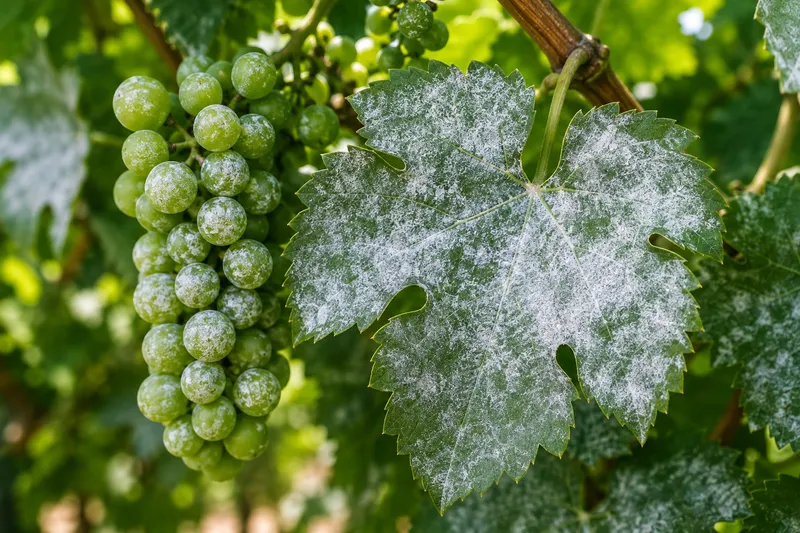
Grapevine Powdery Mildew | Symptoms, Prevention & Effective Control
Learn how to identify, prevent, and control grapevine powdery mildew. Discover symptoms, causes, disease management strategies, and effective fungicide solutions for healthier vineyards.
Powdery Mildew of Grapevines: A Complete Guide to Identification, Prevention, and Control
Introduction
Powdery mildew of grapevine is one of the most destructive fungal diseases affecting vineyards worldwide. This disease attacks almost all above-ground parts of the vine, including leaves, shoots, flowers, and grape clusters. If left uncontrolled, it can significantly reduce both grape yield and fruit quality, resulting in substantial economic losses for growers.
Early detection, proper vineyard management, and timely disease control are essential for maintaining healthy vines and achieving high-quality grape production.
What Is Grapevine Powdery Mildew?
Powdery mildew is caused by the fungal pathogen Erysiphe necator, one of the most common diseases found in commercial vineyards.
Unlike many other fungal pathogens, this fungus does not require free water on plant surfaces to infect grape tissues. Instead, it develops rapidly under moderate temperatures and relatively humid conditions, making it particularly dangerous during the growing season.
Symptoms of Powdery Mildew
On Leaves
- White powdery fungal growth on the leaf surface
- Leaf curling and distortion
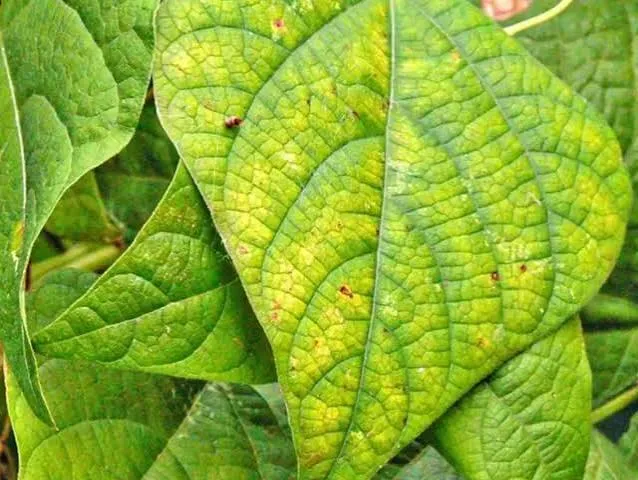
- Yellowing of infected tissues
- Reduced photosynthesis
On Shoots
- Brown or dark lesions
- Poor shoot development
- Reduced vine vigor
On Grape Clusters
- White fungal coating on berries
- Berry cracking
- Fruit shriveling
- Poor market quality
Favorable Conditions for Disease Development
Powdery mildew spreads rapidly under the following conditions:
- Temperatures between 20–30°C (68–86°F)
- Poor air circulation
- Dense vine canopies
- Moderate humidity
- Shaded vineyard conditions
Economic Impact
If not properly managed, powdery mildew can cause:
- Significant yield reduction
- Lower fruit quality
- Reduced sugar accumulation
- Poor storage performance
- Increased production costs
- Reduced vine productivity in subsequent seasons
Disease Life Cycle
The fungus survives winter in dormant buds and infected plant debris.
As temperatures rise in spring, fungal spores become active and are dispersed by wind to healthy grape tissues.
Under favorable environmental conditions, new spores are produced within only a few days, allowing the disease to spread rapidly throughout the vineyard.
Prevention Strategies
Proper Pruning
Pruning improves air circulation and sunlight penetration, creating less favorable conditions for fungal development.
Irrigation Management
Avoid excessive humidity within the vine canopy and maintain balanced irrigation practices.
Remove Infected Plant Material
Dispose of diseased leaves, shoots, and vineyard debris to reduce the source of infection.
Balanced Plant Nutrition
Avoid excessive nitrogen fertilization, as overly vigorous growth increases susceptibility to powdery mildew.
Effective Disease Control
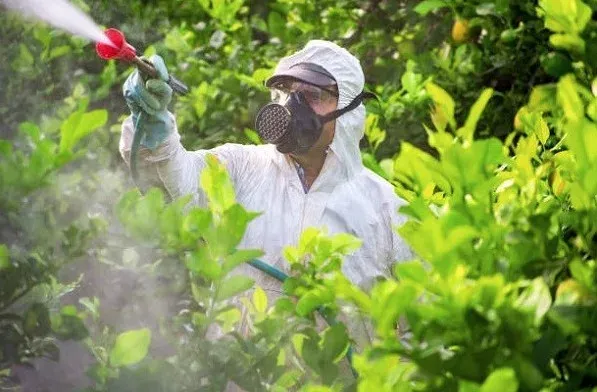
Successful management of powdery mildew requires an integrated disease management program combining cultural practices with appropriate fungicide applications.
Fungicides commonly used in disease management programs include:
- Difenoconazole
- Propiconazole
- Penconazole
- Tebuconazole
- Trifloxystrobin
Best Time for Fungicide Application
For maximum effectiveness, fungicides should be applied:
- Before severe symptoms develop
- During early shoot growth
- Prior to flowering
- During early fruit development when necessary
Preventive applications generally provide better control than curative treatments.
Common Grower Mistakes
- Delaying fungicide applications
- Using incorrect application rates
- Repeatedly applying the same active ingredient
- Inadequate canopy management
- Excessive nitrogen fertilization
Recommended Product
For integrated powdery mildew management, ALBORZ BEHSAM Difenoconazole + Propiconazole 30% EC W/V is a systemic fungicide offering both preventive and curative activity against a broad range of fungal diseases. Always follow the product label instructions and local agricultural recommendations before application.
Conclusion
Powdery mildew is one of the most economically important diseases in grape production. Early diagnosis, good vineyard management, and timely fungicide applications are essential for protecting grape quality and maximizing vineyard productivity. An integrated disease management strategy remains the most effective approach for long-term control.
Frequently Asked Questions (FAQ)
What causes powdery mildew in grapevines?
Powdery mildew is caused by the fungal pathogen Erysiphe necator.
When is powdery mildew most active?
The disease is most active from late spring through summer under warm temperatures and moderate humidity.
Can powdery mildew reduce grape quality?
Yes. Severe infections reduce fruit quality, sugar accumulation, yield, and overall market value.
How can powdery mildew be prevented?
Good canopy management, balanced fertilization, sanitation, and preventive fungicide applications are the most effective management strategies.