High-Potassium Fertilizer: Benefits, Best Application Time, and Uses for Improving Fruit Quality
Learn what high-potassium fertilizer is, its benefits, best application time, types, uses for fruit development, and how to choose the right potassium fertilizer.
High-Potassium Fertilizer: Benefits, Best Application Time, and Uses for Improving Fruit Quality
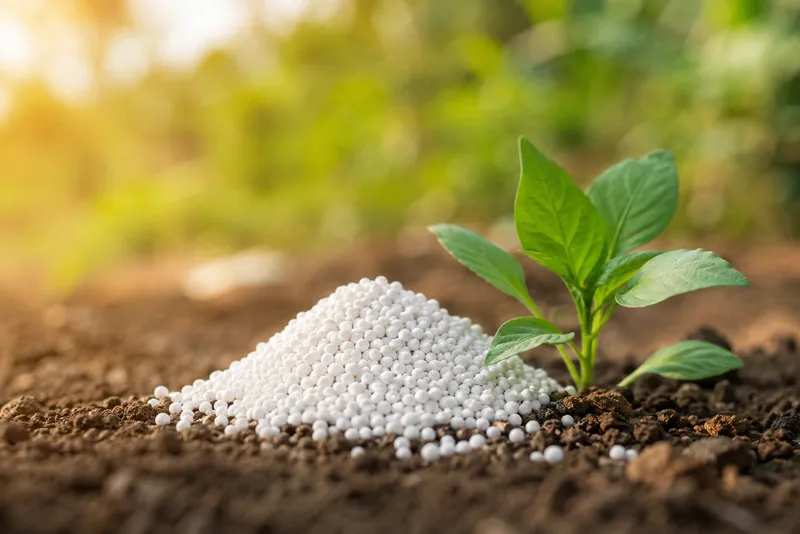
Potassium is one of the three primary macronutrients required by plants, alongside nitrogen and phosphorus. A high-potassium fertilizer is commonly used in agricultural nutrition programs when crops require a relatively greater supply of potassium, particularly during reproductive growth, fruit development, and maturation.
Potassium plays an essential role in plant water regulation, enzyme activation, stomatal function, carbohydrate transport, and overall physiological balance. For this reason, proper potassium nutrition can contribute to crop quality, plant performance, and tolerance to certain environmental stresses.
However, one important principle should always be considered:
A fertilizer with more potassium is not necessarily a better fertilizer.
The appropriate fertilizer should be selected according to the crop, growth stage, soil and water conditions, previous fertilization practices, and preferably soil and plant tissue analysis.
What Is a High-Potassium Fertilizer?
The term high-potassium fertilizer generally refers to fertilizers in which potassium represents a relatively high proportion of the nutrient formulation.
In NPK fertilizers, potassium is represented by the third number.
For example:
12-12-36
indicates a fertilizer containing declared percentages of:
- 12% nitrogen (N)
- 12% phosphate expressed as P₂O₅
- 36% potash expressed as K₂O
Compared with a balanced formulation such as 20-20-20, a 12-12-36 fertilizer provides a substantially higher proportion of potassium relative to nitrogen and phosphorus.
Different high-potassium formulations are available, and each formulation may be more appropriate for specific crops, growth stages, and nutritional objectives.
What Does Potassium Do in Plants?
Potassium is an essential macronutrient, but unlike nitrogen and phosphorus, it is not primarily incorporated into structural organic compounds in plant tissues. Instead, potassium plays major regulatory and physiological roles.
Adequate potassium nutrition contributes to several important plant processes.
1. Regulation of Stomatal Opening and Closing
Potassium is involved in the regulation of stomata, the microscopic pores found mainly on leaf surfaces.
Through stomatal regulation, plants control gas exchange and water loss through transpiration.
This makes potassium important in maintaining plant water balance.
2. Water Regulation
Potassium contributes to osmotic regulation within plant cells.
Proper potassium status can help plants regulate water more efficiently and maintain normal physiological functions under changing environmental conditions.
However, potassium fertilization cannot replace proper irrigation management.
3. Enzyme Activation
Potassium is involved in the activation of numerous enzymes associated with plant metabolism.
These enzymes participate in processes related to photosynthesis, respiration, protein synthesis, and carbohydrate metabolism.
4. Transport of Photosynthetic Products
Leaves produce carbohydrates through photosynthesis. These compounds must then be transported to growing tissues and storage organs.
Potassium contributes to the transport and distribution of these photosynthetic products throughout the plant.
This function becomes particularly important during fruit and storage-organ development.
5. Maintaining Ionic Balance
Potassium is one of the major cations present in plant cells and plays an important role in maintaining ionic and osmotic balance.
Balanced potassium nutrition should therefore be considered together with other nutrients rather than managed independently.
Why Does Potassium Become Important During Fruit Development?
As many crops move from vegetative growth into reproductive development, their nutrient demand patterns change.
After fruit set, developing fruits become strong sinks for carbohydrates and other compounds produced by the plant.
Potassium contributes to the physiological processes involved in the transport of these compounds and in maintaining water relations within plant tissues.
For this reason, potassium management often becomes particularly important during:
- fruit set,
- fruit development,
- fruit filling,
- maturation,
- and quality development.
The exact period of maximum potassium demand varies among crops.
Does High-Potassium Fertilizer Increase Fruit Size?
This is one of the most common questions associated with potassium fertilizers.
Adequate potassium nutrition can contribute to normal fruit growth and crop quality, particularly when potassium availability is insufficient.
However:
High-potassium fertilizer alone does not guarantee larger fruit.
Final fruit size depends on several interacting factors, including:
- cultivar genetics,
- crop load,
- irrigation management,
- leaf area,
- photosynthetic activity,
- root health,
- nutrient balance,
- temperature,
- environmental conditions,
- pest and disease management.
If a crop is suffering from severe water stress or root damage, simply applying more potassium may not solve the problem.
Similarly, when soil and plant potassium levels are already sufficient, excessive potassium application may provide little additional benefit and may disrupt nutrient balance.
Major Benefits of Proper Potassium Nutrition
Improved Crop Quality
Adequate potassium nutrition can contribute to various crop quality characteristics, depending on the species, cultivar, growing conditions, and overall nutritional status.
The objective should always be adequate potassium availability rather than excessive potassium application.
Better Water Management Within the Plant
Because potassium contributes to stomatal regulation and osmotic processes, it plays an important role in plant water relations.
This can help plants maintain normal physiological activity under variable environmental conditions.
Carbohydrate Transport
Potassium contributes to the movement of photosynthetic products from source tissues, particularly leaves, toward developing sinks such as fruits, tubers, and other storage organs.
Enzyme Activity
A wide range of plant enzymes require potassium for proper activation.
This makes potassium important for several metabolic processes occurring throughout plant development.
Tolerance to Certain Environmental Stresses
Adequate potassium nutrition may help plants function more effectively under certain abiotic stresses.
However, potassium should not be presented as a universal solution for drought, salinity, heat, or other environmental stresses. Successful stress management requires an integrated approach.
Symptoms of Potassium Deficiency in Plants
Recognizing potassium deficiency can help growers identify nutritional problems, but visual diagnosis alone is not always sufficient.
Because potassium is relatively mobile within plants, deficiency symptoms commonly appear first on older leaves.
Possible symptoms include:
- yellowing along leaf margins,
- marginal scorching,
- necrosis along leaf edges,
- reduced plant growth,
- weaker plant development,
- reduced crop quality,
- lower tolerance to environmental stress,
- progressive drying of affected leaf tissue in severe cases.
The appearance and severity of symptoms can vary significantly among crops.
Other nutritional disorders, salinity, drought stress, and root problems may produce similar symptoms. Therefore, laboratory analysis can be valuable for accurate diagnosis.
What Causes Potassium Deficiency?
Potassium deficiency does not always mean that no potassium fertilizer has been applied.
In some situations, potassium may be present in the soil while plant uptake remains inadequate.
Several factors can contribute to potassium deficiency or limited potassium uptake.
Low Available Potassium in Soil
Continuous crop removal without adequate nutrient replacement can gradually reduce plant-available potassium.
High-yielding crops may remove substantial quantities of potassium from the field.
Inadequate Soil Moisture
Potassium movement toward plant roots and subsequent uptake are influenced by soil moisture.
Severe drought or irregular irrigation can therefore reduce nutrient acquisition even when potassium is present in the soil.
Poor Root Health
Healthy roots are essential for nutrient uptake.
Root diseases, poor aeration, compaction, salinity, waterlogging, or other root-zone problems can reduce the plant's ability to absorb potassium and other nutrients.
Nutrient Imbalance
Plant nutrients interact with one another.
Excessive concentrations of certain cations can affect the uptake of other nutrients. Therefore, potassium should be managed as part of an overall nutrient balance.
Soil Characteristics
Soil texture, clay mineralogy, cation exchange capacity, salinity, moisture conditions, and other chemical and physical characteristics can influence potassium availability and behavior in the root zone.
High-Potassium Fertilizer vs. Balanced NPK Fertilizer
A balanced NPK fertilizer and a high-potassium NPK fertilizer serve different nutritional purposes.
| Characteristic | 20-20-20 | 12-12-36 |
|---|---|---|
| Nitrogen | 20 | 12 |
| Phosphate (P₂O₅) | 20 | 12 |
| Potash (K₂O) | 20 | 36 |
| Nutrient ratio | Balanced | Potassium-dominant |
| General purpose | Balanced NPK supply | Higher relative potassium supply |
| Selection | Based on crop requirements | Based on increased relative K requirement |
A 12-12-36 fertilizer is therefore not automatically "better" than 20-20-20.
The appropriate formulation depends on what the plant actually needs at a particular growth stage.
When Is the Best Time to Apply High-Potassium Fertilizer?
There is no single application date that applies to every crop.
In many fruiting crops, potassium management becomes increasingly important as plants enter reproductive growth and fruit development.
A general pattern may look like this:
| Growth Stage | Relative Importance of Potassium Management |
|---|---|
| Early establishment | Moderate |
| Vegetative growth | Moderate |
| Flowering period | Crop-dependent |
| Fruit set | Increasing |
| Fruit development and filling | High in many crops |
| Maturation | Important in many crops |
This table should not be interpreted as a universal fertilization schedule.
The appropriate timing depends on crop physiology, soil fertility, irrigation management, yield target, and the potassium status of the plant.
Which Crops Can Benefit From High-Potassium Fertilizers?
High-potassium fertilizers may be included in the nutrition programs of many agricultural and horticultural crops, including:
- pistachio,
- grape,
- citrus,
- apple,
- pomegranate,
- tomato,
- cucumber,
- pepper,
- strawberry,
- melon,
- watermelon,
- potato,
- greenhouse vegetables,
- and various field crops.
The appropriate potassium source, rate, and application timing can differ considerably between these crops.
High-Potassium Fertilizer for Pistachio
Potassium is an important nutrient in pistachio production and should be managed together with nitrogen, phosphorus, calcium, magnesium, and micronutrients.
During nut development and kernel filling, potassium status becomes an important component of the orchard nutrition program.
However, the appropriate fertilizer source and application rate should be determined according to factors such as:
- soil analysis,
- leaf analysis,
- irrigation water quality,
- tree age,
- crop load,
- and expected yield.
Applying excessive potassium without considering these factors is not an effective nutrient-management strategy.
High-Potassium Fertilizer for Grapes
Potassium plays important roles in grapevine physiology, including water regulation and carbohydrate transport.
Potassium management becomes particularly relevant during berry development and ripening.
However, excessive potassium should also be avoided. Vineyard nutrition should maintain an appropriate balance among potassium and other essential nutrients while considering soil characteristics and fruit-quality objectives.
High-Potassium Fertilizer for Citrus
Citrus trees require balanced nutrition throughout the growing season.
During fruit development, adequate potassium availability can become an important part of the orchard nutrition program.
Trees carrying heavy fruit loads may have substantial nutrient requirements, but fertilizer rates should still be based on actual orchard conditions rather than a fixed general recommendation.
High-Potassium Fertilizer for Tomatoes
Tomato nutrient requirements change as plants transition from vegetative growth to flowering and fruit production.
As fruit load increases, potassium management becomes increasingly important.
However, potassium should be managed alongside nutrients such as calcium and magnesium to maintain an appropriate nutritional balance, particularly in intensive greenhouse production.
High-Potassium Fertilizer for Cucumbers
Greenhouse cucumbers grow rapidly and can produce continuously over an extended harvest period.
Their nutrient program should therefore be adjusted according to plant development, crop load, irrigation water quality, root-zone conditions, and growing medium.
Increasing the relative potassium supply during fruit production may be appropriate in some programs, but using one fixed fertilizer formulation throughout the entire crop cycle is generally not the most precise approach.
Part 2: Types of High-Potassium Fertilizers and How to Choose the Right Potassium Source
Choosing the right high-potassium fertilizer involves more than simply selecting the product with the highest potassium number on the label.
The potassium source, accompanying nutrients, solubility, chloride content, soil salinity, irrigation water quality, crop sensitivity, and growth stage should all be considered before selecting a fertilizer.
Two fertilizers may both contain high levels of potassium while serving very different nutritional purposes. Therefore, the first step is to determine the actual objective of fertilization.
The goal may be to:
- supply potassium and sulfur,
- provide potassium together with nitrate nitrogen,
- supply phosphorus and potassium without nitrogen,
- or provide a complete NPK formulation with a relatively high potassium concentration.
Understanding these differences allows growers to select a fertilizer that fits the crop nutrition program rather than choosing a product based solely on its potassium percentage.
What Are the Main Types of High-Potassium Fertilizers?
Several potassium sources are commonly used in modern agriculture.
The major categories include:
- Potassium sulfate
- Potassium nitrate
- Monopotassium phosphate (MKP)
- Potassium chloride
- High-potassium NPK fertilizers
- Liquid potassium fertilizers
Each source has different characteristics and should be selected according to crop requirements, soil and water conditions, and the overall fertilization strategy.
1. Potassium Sulfate
Potassium sulfate, commonly known as SOP (Sulfate of Potash), is an important potassium fertilizer used in agricultural production.
Its chemical formula is:
K₂SO₄
In addition to potassium, potassium sulfate supplies sulfur, another essential plant nutrient.
Because it contains very little chloride, SOP is often considered for crops or production systems where chloride accumulation is a concern.
Benefits of Potassium Sulfate
Potassium sulfate can offer several advantages when used appropriately:
- Provides potassium
- Supplies sulfur
- Contains very low levels of chloride
- Can be used for many horticultural crops
- Suitable grades may be incorporated into fertigation programs
- Can support potassium nutrition during reproductive growth when required
Potassium sulfate may be considered in nutrition programs for crops such as pistachio, grape, citrus, apple, pomegranate, potato, and various vegetable crops.
However, suitability does not mean that the same application rate should be used for every crop or field.
2. Potassium Nitrate
Potassium nitrate is another widely used potassium source.
Its chemical formula is:
KNO₃
Unlike potassium sulfate, potassium nitrate provides both potassium and nitrate nitrogen.
This characteristic can make potassium nitrate useful when a crop requires both nutrients at the same stage of development.
Benefits of Potassium Nitrate
Depending on fertilizer grade and production conditions, potassium nitrate offers several useful characteristics:
- Supplies potassium and nitrate nitrogen simultaneously
- High solubility in suitable fertilizer grades
- Commonly used in fertigation systems
- Useful in many greenhouse and horticultural crops
- Can be incorporated into nutrient programs at different growth stages
The presence of nitrate nitrogen should always be considered when calculating the crop's total nitrogen supply.
Potassium Nitrate vs. Potassium Sulfate: Which Is Better?
Neither fertilizer is universally better than the other.
The correct choice depends primarily on the nutritional objective.
If the crop requires potassium and sulfur, potassium sulfate may be appropriate.
If the crop requires potassium together with nitrate nitrogen, potassium nitrate may be more suitable.
| Characteristic | Potassium Sulfate | Potassium Nitrate |
|---|---|---|
| Potassium | High | High |
| Additional nutrient | Sulfur | Nitrogen |
| Chloride | Very low | Very low |
| Fertigation | Suitable soluble grades | Commonly used |
| Selection basis | K + S requirement | K + N requirement |
The fertilizer should therefore be selected as part of the complete crop nutrition program.
3. Monopotassium Phosphate (MKP)
Monopotassium phosphate, commonly abbreviated as MKP, is a water-soluble fertilizer that supplies phosphorus and potassium.
Its chemical formula is:
KH₂PO₄
A common fertilizer grade is expressed as:
0-52-34
This formulation contains no nitrogen while providing a high concentration of phosphate and a substantial amount of potash.
Benefits of MKP
Important characteristics of MKP include:
- No nitrogen
- Supplies phosphorus and potassium
- High water solubility in appropriate fertilizer grades
- Suitable for many fertigation programs
- Useful when additional nitrogen is not desired
- Can be incorporated into specific reproductive-stage nutrition programs
The absence of nitrogen distinguishes MKP from many high-potassium NPK fertilizers and potassium nitrate.
4. High-Potassium NPK Fertilizers
For many growers, the term high-potassium fertilizer refers specifically to complete NPK fertilizers in which the third number is significantly higher than the first two.
One common example is:
12-12-36
This formulation provides declared percentages of:
- 12% nitrogen (N)
- 12% phosphate (P₂O₅)
- 36% potash (K₂O)
Unlike single or dual nutrient potassium sources, high-potassium NPK fertilizers provide all three primary macronutrients simultaneously.
This can make them useful in crop nutrition programs where nitrogen, phosphorus, and a relatively higher proportion of potassium are required at the same time.
What Is 12-12-36 Fertilizer?
12-12-36 fertilizer is one of the best-known high-potassium NPK formulations.
Because potassium represents the largest proportion of the NPK analysis, this type of fertilizer may be incorporated into nutrition programs during crop stages where the relative requirement for potassium becomes higher.
Depending on crop requirements and growing conditions, 12-12-36 may be considered for:
- fruit orchards,
- pistachio,
- grape,
- citrus,
- tomato,
- cucumber,
- pepper,
- strawberry,
- greenhouse crops,
- and other fruiting crops.
However, application rates should never be determined from the NPK numbers alone.
Soil fertility, irrigation water, crop stage, root-zone conditions, previous fertilizer applications, and expected yield should also be considered.
What Is 15-5-30 Fertilizer?
15-5-30 is another NPK formulation with a relatively high potassium concentration.
Compared with 12-12-36, a 15-5-30 formulation contains:
- more nitrogen,
- less phosphorus,
- and somewhat less potassium.
These differences mean that 12-12-36 and 15-5-30 should not automatically be treated as interchangeable fertilizers.
The appropriate choice depends on the nutrient requirements of the crop at the time of application.
12-12-36 vs. 15-5-30 Fertilizer
The following comparison illustrates the nutritional differences between the two formulations:
| Nutrient | 12-12-36 | 15-5-30 |
|---|---|---|
| Nitrogen (N) | 12 | 15 |
| Phosphate (P₂O₅) | 12 | 5 |
| Potash (K₂O) | 36 | 30 |
| Relative potassium | Higher | High |
| Phosphorus | Higher | Lower |
| Nitrogen | Lower | Higher |
Which One Should You Choose?
Neither formulation is universally superior.
If the crop nutrition program requires relatively more phosphorus and potassium, a formulation such as 12-12-36 may fit the objective better.
If more nitrogen and less phosphorus are required while maintaining a relatively high potassium supply, a formulation such as 15-5-30 may be considered.
The final decision should ideally take into account:
- soil test results,
- plant tissue analysis,
- crop growth stage,
- previous fertilization,
- irrigation water quality,
- and the complete nutrient program.
What Is a Chloride-Free or Low-Chloride Potassium Fertilizer?
The terms chloride-free potassium fertilizer and low-chloride potassium fertilizer are frequently used in fertilizer markets.
Chloride itself is an essential micronutrient for plants, but excessive chloride accumulation can become undesirable for certain crops or under specific soil and irrigation-water conditions.
This is particularly relevant where:
- irrigation water already contains substantial chloride,
- soil salinity is elevated,
- or the crop is relatively sensitive to chloride.
Potassium sources with very low chloride content include:
- potassium sulfate,
- potassium nitrate,
- monopotassium phosphate.
The choice of potassium source should still be based on the entire nutrient and salinity management program.
Is Potassium Chloride a Bad Fertilizer?
No.
Potassium chloride (KCl), also known as muriate of potash (MOP), is one of the world's most widely used potassium fertilizers.
It is an important and effective potassium source in many agricultural systems.
The key issue is not whether potassium chloride is inherently "good" or "bad," but whether it is appropriate for a specific crop and field.
Factors that should be considered include:
- crop sensitivity to chloride,
- soil salinity,
- chloride concentration in irrigation water,
- application rate,
- application timing,
- rainfall and leaching conditions,
- and overall nutrient management.
Therefore, statements suggesting that potassium chloride is harmful to all crops are scientifically inaccurate.
Liquid vs. Powder High-Potassium Fertilizer
High-potassium fertilizers are available in both solid and liquid formulations.
Neither physical form is automatically superior.
The appropriate choice depends on nutrient concentration, fertilizer quality, solubility, application equipment, production system, and management requirements.
Powder and Water-Soluble High-Potassium Fertilizers
Water-soluble solid fertilizers are widely used in fertigation and greenhouse production.
Potential advantages include:
- relatively high nutrient concentration,
- efficient transportation and storage,
- availability of numerous NPK formulations,
- suitability for fertigation when fully soluble,
- flexibility in preparing nutrient solutions.
However, growers should verify that the fertilizer is genuinely suitable for the intended irrigation or fertigation system.
Poorly soluble material can contribute to deposits or emitter blockage.
Liquid High-Potassium Fertilizers
Liquid potassium fertilizers are also used in agricultural nutrition programs.
Depending on their formulation, potential advantages may include:
- convenient measurement,
- easier handling in some fertilizer injection systems,
- rapid preparation of fertilizer solutions,
- uniform distribution when properly injected.
However:
A fertilizer being liquid does not automatically mean that it is absorbed faster or is nutritionally superior.
The actual nutrient composition, concentration, raw-material quality, formulation, and application method are more important than physical form alone.
High-Potassium Fertilizer for Foliar Application
Certain potassium fertilizers formulated and labeled for foliar use can be applied directly to plant foliage.
Foliar nutrition can be useful as part of a broader nutrient-management strategy in specific situations.
However, an important distinction must be made:
Not every water-soluble fertilizer is automatically suitable for foliar application.
Before foliar application, several factors should be considered:
- fertilizer formulation,
- recommended concentration,
- crop sensitivity,
- leaf condition,
- temperature,
- relative humidity,
- water quality,
- compatibility with other products,
- and manufacturer's instructions.
Excessive solution concentration or application under unsuitable environmental conditions may increase the risk of leaf injury.
High-Potassium Fertilizer for Fertigation
Fertigation is one of the most common methods for applying fully water-soluble potassium fertilizers, particularly in drip-irrigated orchards, vegetable production, and greenhouse systems.
Fertilizers are dissolved and delivered through irrigation water into the active root zone.
Several factors are important when selecting a potassium fertilizer for fertigation:
- complete water solubility,
- irrigation water quality,
- electrical conductivity (EC),
- pH,
- compatibility with other fertilizers,
- potential precipitation,
- irrigation uniformity,
- and emitter performance.
A fertilizer that performs well in one water source may behave differently when used with water containing high concentrations of calcium, bicarbonate, or other dissolved ions.
Quick Guide to Choosing a Potassium Fertilizer
| Nutritional Objective | Potassium Source to Consider |
|---|---|
| Potassium + sulfur | Potassium sulfate |
| Potassium + nitrate nitrogen | Potassium nitrate |
| Potassium + phosphorus | MKP |
| Nitrogen + phosphorus + high potassium | High-potassium NPK |
| No additional nitrogen desired | MKP or another appropriate K source |
| Chloride-sensitive conditions | Appropriate low-chloride source |
| Fertigation | Fully water-soluble fertilizer grade |
| Complete nutrition program | NPK formulation matched to crop requirements |
This table is intended as a general selection guide rather than a universal fertilizer recommendation.
Does a Higher Potassium Number Mean a Better Fertilizer?
No.
A higher potassium percentage does not automatically indicate a higher-quality or more suitable fertilizer.
For example, a fertilizer containing 40% potash is not necessarily better for a crop than one containing 30%.
The plant may simultaneously require other nutrients, including:
- nitrogen,
- phosphorus,
- calcium,
- magnesium,
- sulfur,
- iron,
- zinc,
- boron,
- manganese,
- and copper.
The objective of crop nutrition should therefore be nutrient balance, not maximizing the concentration of a single element.
How to Choose the Best High-Potassium Fertilizer
Before selecting a high-potassium fertilizer, several questions should be answered.
What Crop Are You Growing?
Different crops have different potassium uptake patterns and nutrient requirements.
A pistachio orchard, a tomato greenhouse, and a potato field should not automatically receive the same fertilizer program.
What Is the Current Growth Stage?
Nutrient requirements change throughout crop development.
A fertilizer suitable for early vegetative growth may not be the most appropriate formulation during fruit filling or maturation.
How Much Potassium Is Available in the Soil?
Soil testing can provide valuable information about nutrient status and help determine whether additional potassium is required.
What Is the Quality of the Irrigation Water?
Electrical conductivity, chloride, sodium, bicarbonate, calcium, magnesium, and other water characteristics may influence fertilizer selection and nutrient management.
Is the Crop Sensitive to Chloride?
If chloride sensitivity or accumulation is a concern, the potassium source becomes particularly important.
What Other Nutrients Are Already Being Applied?
A potassium fertilizer should be evaluated as part of the complete fertilizer program.
For example, potassium nitrate contributes nitrogen, MKP contributes phosphorus, and potassium sulfate contributes sulfur. These accompanying nutrients must be included when calculating the total nutrient supply.
Potassium Nutrition Should Change With Crop Development
When a plant begins producing fruit, it is incorrect to assume that nitrogen, phosphorus, calcium, magnesium, and micronutrients are no longer important and that only potassium should be supplied.
Plants continue to require a broad range of essential nutrients throughout their life cycle.
What changes is the relative demand for different nutrients at different growth stages.
A professional fertilizer program therefore adjusts nutrient ratios according to:
- crop species,
- phenological stage,
- yield potential,
- environmental conditions,
- soil fertility,
- water quality,
- and plant nutrient status.
High-potassium fertilizers should be used as one component of this balanced approach.
Part 3: Best Time and Methods to Apply High-Potassium Fertilizer
The effectiveness of a high-potassium fertilizer depends not only on the fertilizer itself but also on when and how it is applied.
Crop species, growth stage, soil properties, irrigation water quality, root health, environmental conditions, and the balance of other nutrients can all influence the plant's response to potassium fertilization.
For this reason, growers should consider three fundamental questions:
Which potassium source should be used? When should it be applied? How should it be applied?
A well-designed potassium program should address all three.
When Is the Best Time to Apply High-Potassium Fertilizer?
Plant demand for potassium is not constant throughout the growing season.
In many horticultural and fruiting crops, potassium becomes increasingly important as plants transition from vegetative growth to reproductive development and as fruits, tubers, or other harvested organs begin to develop.
The exact timing, however, varies among crops.
1. During Vegetative Growth
During early vegetative development, plants require a balanced supply of essential nutrients.
Nitrogen, phosphorus, potassium, calcium, magnesium, sulfur, and micronutrients all contribute to normal plant development.
At this stage, the primary objective is usually to support balanced shoot and root growth rather than simply maximizing potassium supply.
Therefore, applying a very high-potassium formulation without considering the overall nutrient requirement may not be appropriate.
2. Before Flowering
As plants approach reproductive growth, their nutritional requirements begin to change.
Potassium can be an important component of the nutrition program, but phosphorus, boron and other essential nutrients may also require attention depending on the crop and growing conditions.
A balanced nutrition strategy is therefore more appropriate than focusing exclusively on potassium.
3. After Fruit Set
After successful fruit set, developing fruits become increasingly important sinks for water, carbohydrates, and nutrients.
In many fruiting crops, potassium demand increases during this period.
Adequate potassium availability contributes to physiological processes such as water regulation, enzyme activity, and the transport of photosynthetic products.
4. During Fruit Development and Filling
Fruit development and filling are among the most important periods for potassium management in many crops.
During this stage, the plant is actively transporting assimilates from photosynthetically active tissues toward developing fruits or storage organs.
Maintaining adequate potassium nutrition can support normal crop development and quality.
However, the appropriate potassium rate depends on existing soil fertility, plant nutrient status, crop load, yield target, and environmental conditions.
5. During Maturation
Potassium may remain important during maturation in many crops.
Nevertheless, late-season fertilizer applications should be based on actual crop requirements rather than a general assumption that additional potassium will always improve quality.
Crop type, harvest timing, nutrient status, irrigation practices, and environmental conditions should all be considered.
Is High-Potassium Fertilizer Better Before Flowering or After Fruit Set?
The answer depends on the nutritional objective.
Before flowering, plants generally benefit from a balanced nutrient program that supports the transition into reproductive growth.
After fruit set, the relative importance of potassium often increases in many fruiting crops as fruits develop and become stronger sinks for assimilates.
Therefore, if the objective is to support potassium nutrition during fruit development, the period after fruit set may be particularly important.
This does not mean that other nutrients should be eliminated from the fertilizer program.
What Is the Best Method for Applying High-Potassium Fertilizer?
Depending on the fertilizer formulation, crop, production system, and manufacturer's recommendations, potassium fertilizers may be applied through:
- fertigation,
- soil application,
- or foliar application.
Each method has specific advantages and limitations.
1. Applying High-Potassium Fertilizer Through Fertigation
Fertigation is the application of water-soluble fertilizers through an irrigation system.
It is widely used in:
- drip-irrigated orchards,
- greenhouse production,
- vegetable crops,
- intensive horticultural systems,
- and other crops using pressurized irrigation.
One important advantage of fertigation is the ability to divide the seasonal fertilizer requirement into multiple applications.
This allows nutrient supply to be adjusted more closely to crop development.
Important Factors in Potassium Fertigation
Several factors should be evaluated before injecting potassium fertilizers into an irrigation system.
Fertilizer Solubility
The fertilizer should be suitable for fertigation and sufficiently soluble in the available irrigation water.
Undissolved material may contribute to deposits and clogging in irrigation equipment.
Water Quality
Irrigation water should be evaluated for characteristics such as:
- electrical conductivity (EC),
- pH,
- bicarbonate,
- calcium,
- magnesium,
- sodium,
- chloride,
- and other relevant dissolved ions.
Water chemistry can influence fertilizer behavior and compatibility.
Fertilizer Compatibility
Not all fertilizers can safely be combined in concentrated stock solutions.
Incompatible combinations may form precipitates, reducing nutrient availability and potentially clogging irrigation systems.
Irrigation Uniformity
Poor irrigation uniformity also means poor fertilizer distribution.
Maintaining the irrigation system is therefore an important part of successful fertigation.
2. Foliar Application of High-Potassium Fertilizers
Certain potassium fertilizers specifically formulated and labeled for foliar use may be applied directly to plant leaves.
Foliar application can be useful as a supplemental nutrient-management method under appropriate conditions.
However, it should not automatically be considered a complete replacement for root-zone potassium nutrition, particularly because potassium is a macronutrient and crop demand can be substantial.
Best Conditions for Foliar Application
Environmental conditions can strongly influence foliar application performance and crop safety.
Applications should generally avoid conditions such as:
- extreme heat,
- intense solar radiation,
- strong winds,
- severe plant water stress,
- or other conditions that promote excessively rapid droplet evaporation.
The fertilizer label and crop-specific recommendations should always determine the appropriate concentration and application conditions.
3. Soil Application of Potassium Fertilizers
Many potassium fertilizers can also be applied directly to the soil.
Soil application may be used before planting, during soil preparation, or during the growing season depending on the crop and fertilizer source.
The effectiveness of soil-applied potassium depends on several factors, including:
- soil texture,
- soil potassium status,
- clay mineralogy,
- cation exchange capacity,
- root distribution,
- soil moisture,
- irrigation method,
- and fertilizer placement.
In orchards, fertilizer placement should consider the location of active roots rather than simply applying fertilizer close to the trunk.
How Much High-Potassium Fertilizer Should Be Applied?
One of the most common questions is:
How many kilograms of high-potassium fertilizer should be applied per hectare?
There is no scientifically appropriate universal rate for every crop and field.
The correct fertilizer rate depends on several factors:
- crop species,
- tree or plant age,
- expected yield,
- soil potassium status,
- crop nutrient removal,
- soil characteristics,
- irrigation water quality,
- fertilizer analysis,
- application method,
- growth stage,
- previous fertilizer applications,
- and the status of other nutrients.
For this reason, fertilizer rates should be based on product instructions, soil and plant analysis where appropriate, local agronomic recommendations, and field-specific conditions.
Does Applying More Potassium Produce Better Results?
Not necessarily.
Once crop potassium requirements are adequately supplied, applying substantially more potassium does not automatically result in higher yield or better fruit quality.
Excessive fertilizer application can also increase the concentration of soluble salts in the root zone.
Under certain conditions, this may make water uptake more difficult and contribute to osmotic stress.
The objective of fertilizer management should therefore be:
Supplying the required nutrient at an appropriate rate and at the appropriate time—not maximizing fertilizer application.
The Relationship Between Potassium, Calcium, and Magnesium
Potassium (K⁺), calcium (Ca²⁺), and magnesium (Mg²⁺) are important nutrient cations.
Their concentrations and ratios in the root environment can influence nutrient uptake.
Excessive potassium availability may contribute to reduced uptake of magnesium, and under some conditions may also affect calcium nutrition.
This interaction is especially important in intensive greenhouse systems and high-yielding fruit crops.
A high-potassium program should therefore be evaluated together with the crop's calcium and magnesium requirements.
Can Excess Potassium Contribute to Magnesium Deficiency?
Yes, under certain conditions.
High potassium concentrations in the root zone can antagonize magnesium uptake.
As a result, repeatedly increasing potassium fertilizer without considering magnesium status may contribute to nutrient imbalance.
If magnesium deficiency symptoms appear in a crop receiving substantial potassium inputs, the entire nutrient program should be evaluated rather than simply adding more fertilizer.
High-Potassium Fertilizer and Soil Salinity
Another important consideration is electrical conductivity (EC).
Fertilizers contribute dissolved salts to the soil solution or growing medium.
If fertilizer concentrations become excessive, root-zone EC may rise.
This issue becomes especially important when:
- irrigation water is already saline,
- soil salinity is elevated,
- drainage is inadequate,
- or high fertilizer concentrations are repeatedly applied.
High root-zone salinity can make water uptake more difficult for plants.
Managing Potassium Fertilization Under Saline Conditions
Where salinity is a concern, growers should consider:
- irrigation water quality,
- root-zone EC,
- fertilizer salt contribution,
- drainage,
- irrigation management,
- crop salt tolerance,
- and potassium source.
Splitting fertilizer applications into appropriately managed doses may be preferable to applying a large quantity at once in many intensive production systems.
Is High-Potassium Fertilizer Suitable for Saline Soils?
The answer depends on the potassium source, fertilizer rate, severity of salinity, crop sensitivity, irrigation water, and overall management system.
The term "high-potassium" alone does not indicate that a fertilizer is suitable for saline conditions.
In saline environments, both nutrient management and irrigation management must be considered together.
How Does Soil pH Affect Potassium Nutrition?
Soil pH influences many chemical and biological processes related to plant nutrition.
However, potassium uptake problems should not automatically be attributed to pH alone.
Other important factors include:
- soil moisture,
- root development,
- soil texture,
- clay mineralogy,
- cation exchange capacity,
- salinity,
- and concentrations of competing ions.
When potassium deficiency symptoms appear, identifying the underlying cause is generally more effective than simply applying additional fertilizer.
Can High-Potassium Fertilizer Be Mixed With Other Fertilizers?
Some potassium fertilizers can be used with other fertilizer products, but not every combination is compatible.
Compatibility can depend on:
- fertilizer chemistry,
- concentration,
- water quality,
- pH,
- temperature,
- and the way stock solutions are prepared.
Incompatible fertilizers may produce precipitates.
These precipitates can reduce nutrient availability and cause problems in fertigation systems, including blocked emitters.
Mixing Sulfate Fertilizers With Calcium Sources
Special care is required when concentrated fertilizer solutions containing sulfate are combined with concentrated calcium sources.
Mixing these materials in the same concentrated stock tank can promote the formation of poorly soluble calcium sulfate.
For this reason, professional fertigation systems often separate incompatible fertilizer concentrates into different stock tanks.
Manufacturer compatibility information and local agronomic recommendations should always be followed.
What Is a Jar Test?
A jar test is a small-scale compatibility test used before combining fertilizers or agricultural products in a larger tank.
The products are mixed in a small container using the same water source and approximately the same proportional concentrations intended for field use.
The mixture is then observed for undesirable reactions such as:
- precipitation,
- excessive cloudiness,
- flocculation,
- separation,
- or other abnormal physical changes.
A jar test can help identify obvious physical incompatibility, although it does not replace product-label instructions or professional compatibility information.
10 Common Mistakes When Using High-Potassium Fertilizer
1. Choosing Fertilizer Only by the Potassium Number
A higher K₂O percentage does not automatically make a fertilizer more suitable for a particular crop.
2. Applying Potassium Without Evaluating Soil Conditions
The crop problem may not actually be caused by potassium deficiency.
3. Assuming Potassium Alone Determines Fruit Size
Fruit size depends on genetics, crop load, water availability, photosynthesis, root health, nutrient balance, and environmental conditions.
4. Applying Excessive Rates
More fertilizer does not automatically produce more yield.
5. Ignoring Calcium and Magnesium
Potassium should be managed in balance with other nutrient cations.
6. Foliar Spraying Under Extreme Heat
Unsuitable environmental conditions may increase the risk of leaf injury and reduce application efficiency.
7. Mixing Fertilizers Without Checking Compatibility
Improper combinations may produce precipitates or damage fertigation equipment.
8. Using the Same Fertilizer Program Throughout the Entire Season
Crop nutrient requirements change with developmental stage.
9. Ignoring Irrigation Water Quality
Irrigation water contributes dissolved ions and can substantially influence the nutrient program.
10. Expecting Immediate Results From a Single Application
Crop nutrition is an ongoing management process. Final yield and quality result from the interaction of nutrition, irrigation, root health, environmental conditions, crop load, and crop protection.
How to Improve the Effectiveness of Potassium Fertilization
Several management practices can improve the precision of a potassium fertilizer program.
Use Soil Testing
Soil analysis provides useful information about fertility conditions and can help determine whether additional potassium is required.
Use Plant Tissue Analysis When Appropriate
Leaf or tissue analysis can provide additional information about the nutritional status of the crop.
Match Fertilizer Selection to Growth Stage
The nutrient ratio required during vegetative development may differ from that required during fruit development.
Manage Application Frequency
Where appropriate, dividing the seasonal nutrient requirement into several managed applications can provide greater control than applying a large amount in a single dose.
Evaluate Irrigation Water
Water quality is particularly important in greenhouse production, fertigation systems, and saline environments.
Maintain Healthy Roots
Even a high-quality fertilizer cannot compensate for severe root dysfunction.
Root diseases, waterlogging, compaction, salinity, oxygen deficiency, and irrigation problems should therefore be managed as part of the overall nutrition strategy.
How Can You Tell Whether a Plant Actually Needs More Potassium?
The most reliable fertilizer decisions are based on several sources of information rather than visual symptoms alone.
Useful information may include:
soil analysis + plant tissue analysis + crop symptoms + growth stage + fertilizer history + expected yield
Visual symptoms can provide useful clues, but several nutritional and environmental disorders can appear similar.
Marginal leaf damage, for example, may be associated with potassium deficiency but can also occur under salinity, drought, root stress, or other nutrient disorders.
Accurate diagnosis helps prevent unnecessary fertilizer applications.
Is Potassium Supply More Important Than Nutrient Uptake?
Both are important.
A soil may contain adequate potassium while the crop still experiences limited uptake because of:
- drought,
- salinity,
- poor root development,
- root disease,
- nutrient imbalance,
- or unfavorable root-zone conditions.
In such situations, simply adding more potassium fertilizer may not correct the underlying problem.
Successful nutrient management therefore requires both adequate nutrient supply and favorable conditions for nutrient uptake.
Can High-Potassium NPK Fertilizer Replace All Other Fertilizers?
No.
Even a complete NPK formulation such as 12-12-36 does not necessarily provide every nutrient required by a crop.
Plants also require essential nutrients such as:
- calcium,
- magnesium,
- sulfur,
- iron,
- zinc,
- manganese,
- boron,
- copper,
- molybdenum,
- and others.
A high-potassium NPK fertilizer should therefore be considered one component of a complete crop nutrition program rather than a replacement for all other fertilizers.
Key Takeaway
Successful potassium fertilization depends on answering three questions:
Which source? Which timing? Which rate?
The answer will not be identical for every crop or field.
Selecting an appropriate potassium source, applying it during relevant crop-development stages, considering irrigation water and salinity, and maintaining a balanced relationship with nutrients such as calcium and magnesium can improve the precision of the nutrition program.
The goal is not to apply the greatest possible quantity of potassium.
The goal is to provide the appropriate nutrient, at an appropriate rate, at the appropriate time, under conditions that allow the crop to use it effectively.
Part 4: Choosing the Best High-Potassium Fertilizer for Different Crops
Choosing the best high-potassium fertilizer requires more than identifying a product with a high K₂O percentage.
Crop species, growth stage, soil fertility, irrigation water quality, root-zone conditions, expected yield, and the balance of other nutrients should all be considered before selecting a potassium source.
A fertilizer that is suitable for a pistachio orchard during nut filling may not be the best choice for greenhouse tomatoes, citrus trees, grapevines, or potatoes.
For this reason, potassium fertilizer selection should begin with a clear understanding of the crop's nutritional requirements and the purpose of the application.
High-Potassium Fertilizer Selection Guide
The following table provides a general overview of potassium management for several important crops.
| Crop | Important Stage for Potassium Management | Main Nutritional Objective | Potassium Source to Consider |
|---|---|---|---|
| Pistachio | Nut development and kernel filling | Adequate K supply and nutrient balance | Potassium sulfate / High-K NPK |
| Grapes | Berry development and ripening | Berry development and quality | Appropriate K source / High-K NPK |
| Citrus | Fruit growth and development | Balanced fruit nutrition | Potassium sulfate / High-K NPK |
| Tomato | Fruit set and development | Balanced reproductive nutrition | Potassium nitrate / High-K NPK |
| Cucumber | Fruiting period | Continuous balanced nutrition | Stage-appropriate NPK |
| Pepper | Fruit development | Balanced reproductive nutrition | High-K NPK |
| Apple | Fruit development | Fruit growth and quality | Appropriate potassium source |
| Pomegranate | Fruit development and maturation | Balanced nutrition and quality | Potassium source based on field conditions |
| Potato | Tuber development | Tuber growth and quality | Appropriate potassium source |
| Greenhouse crops | Fruiting period | Precise nutrient management | Water-soluble fertilizer based on water and substrate analysis |
This table is intended as a general guide. It should not be interpreted as a universal fertilizer prescription or application-rate recommendation.
Best High-Potassium Fertilizer for Pistachio
Potassium is an important macronutrient in pistachio production.
During nut development and kernel filling, adequate potassium nutrition can become particularly important as part of the overall orchard nutrient-management program.
Depending on soil and plant analysis, irrigation water quality, and other components of the fertilizer program, potassium sources such as potassium sulfate or high-potassium NPK fertilizers may be considered.
However, fertilizer selection and application rate should take into account:
- soil fertility,
- leaf analysis,
- irrigation water quality,
- soil salinity,
- tree age,
- crop load,
- previous fertilizer applications,
- and expected yield.
Applying large quantities of potassium without evaluating these factors does not guarantee improved pistachio yield or quality.
Best High-Potassium Fertilizer for Grapes
Potassium plays several important physiological roles in grapevines, including water regulation and carbohydrate transport.
Potassium management becomes particularly relevant during berry development and ripening.
However, excessive potassium application should be avoided.
Vineyard nutrition should consider potassium in relation to:
- soil characteristics,
- vine nutrient status,
- irrigation water,
- crop load,
- fruit-quality objectives,
- and other essential nutrients.
The best potassium fertilizer is therefore the one that fits the nutritional requirements of the vineyard rather than simply the product with the highest potassium percentage.
Best High-Potassium Fertilizer for Citrus
Citrus trees require a balanced nutrient supply throughout the growing season.
As fruits develop, potassium becomes an important component of the overall nutrition program.
Depending on orchard conditions, potassium sulfate, potassium nitrate, or high-potassium NPK formulations may be considered.
The appropriate choice depends partly on the accompanying nutrients.
For example, potassium nitrate also supplies nitrate nitrogen, while potassium sulfate supplies sulfur.
The total fertilizer program should therefore be evaluated before selecting the potassium source.
Best High-Potassium Fertilizer for Tomatoes
Tomatoes have changing nutrient requirements as plants move from vegetative development into flowering, fruit set, and sustained fruit production.
As fruit load increases, potassium management becomes increasingly important.
Depending on the production system, fertilizers such as potassium nitrate and high-potassium NPK formulations may be incorporated into the nutrition program.
However, potassium should not be managed independently.
The balance between potassium, calcium, and magnesium is particularly important in intensive tomato production.
Excessive potassium relative to other nutrient cations may contribute to nutritional imbalance.
Best High-Potassium Fertilizer for Cucumbers
Cucumbers, particularly greenhouse cucumbers, can grow rapidly and produce fruit continuously over an extended harvest period.
Their fertilizer program should therefore be adjusted according to:
- plant development,
- fruit load,
- irrigation water quality,
- growing medium,
- root-zone EC,
- root health,
- and nutrient status.
During fruit production, a relatively higher potassium supply may be appropriate in some nutrition programs.
However, using the same fertilizer formulation throughout the entire crop cycle may not provide the most precise nutrient management.
High-Potassium Fertilizer for Fruit Development
The phrase "high-potassium fertilizer for fruit development" is commonly used when growers are looking for ways to improve fruit growth and quality.
Potassium is indeed important for several physiological processes associated with crop development.
However, final fruit size and quality are influenced by many interacting factors, including:
- cultivar genetics,
- crop load,
- leaf area,
- photosynthesis,
- water availability,
- irrigation management,
- root health,
- nitrogen supply,
- phosphorus supply,
- potassium supply,
- calcium and magnesium nutrition,
- micronutrient status,
- environmental conditions,
- and pest and disease management.
High-potassium fertilizer should therefore be viewed as one component of a complete crop-management program rather than a stand-alone solution for increasing fruit size.
Does High-Potassium Fertilizer Make Fruit Sweeter?
Potassium contributes to carbohydrate transport and several metabolic processes within plants.
Adequate potassium nutrition may therefore contribute to crop quality when potassium supply would otherwise be limiting.
However, fruit sugar concentration and perceived sweetness are influenced by many additional factors, including:
- cultivar,
- sunlight,
- photosynthetic activity,
- crop load,
- irrigation,
- temperature,
- maturity at harvest,
- and overall plant health.
It would therefore be inaccurate to claim that applying high-potassium fertilizer will automatically make fruit sweeter.
Does High-Potassium Fertilizer Improve Fruit Color?
Balanced mineral nutrition can contribute to overall crop quality, but fruit coloration is controlled by multiple factors.
Depending on the crop, these may include:
- genetics,
- light exposure,
- temperature,
- maturity,
- canopy management,
- water status,
- and overall nutrient balance.
Potassium should be considered one component of crop nutrition rather than the sole factor controlling fruit coloration.
When Should High-Potassium Fertilizer Not Be Applied?
High-potassium fertilizer should not be applied automatically simply because a crop has entered the fruiting stage.
Several situations require additional evaluation.
When Potassium Is Already Adequate
If soil and plant potassium levels are already sufficient, additional potassium may provide little benefit.
When Root-Zone EC Is Excessively High
Adding more fertilizer salts to an already saline root environment may further increase osmotic stress.
During Severe Water Stress
A crop suffering from severe water stress may not respond effectively to additional fertilizer until the underlying irrigation problem is addressed.
When Root Function Is Severely Compromised
Root disease, waterlogging, compaction, salinity, or oxygen deficiency can restrict nutrient uptake.
Simply increasing fertilizer concentration may not correct these problems.
When Calcium or Magnesium Balance Is Already Poor
Increasing potassium further may intensify competition among nutrient cations under certain conditions.
How Can You Tell Whether Potassium Fertilization Is Working?
Evaluating fertilizer performance should involve more than looking at a few leaves or fruits.
Useful indicators may include:
- crop growth,
- yield,
- fruit or harvested-product quality,
- crop uniformity,
- tissue-analysis results,
- nutrient status,
- fertilizer-use records,
- and comparisons with previous seasons.
Where practical, growers may also compare different management treatments or maintain untreated or differently treated reference areas.
Keeping accurate field records can greatly improve future fertilizer decisions.
Useful records include:
- fertilizer source,
- application rate,
- application date,
- irrigation conditions,
- crop stage,
- weather conditions,
- tissue-analysis results,
- and final yield and quality.
How Often Should High-Potassium Fertilizer Be Applied?
There is no universal number of applications that is appropriate for every crop.
In many fertigation systems, dividing the required nutrient supply into several managed applications can provide better control than applying a large amount in a single treatment.
However, application frequency depends on:
- crop type,
- soil or growing medium,
- irrigation system,
- fertilizer source,
- root-zone conditions,
- crop demand,
- and the overall nutrient program.
A schedule suitable for greenhouse cucumbers should not automatically be applied to a pistachio orchard or potato field.
Frequently Asked Questions About High-Potassium Fertilizer
What Is High-Potassium Fertilizer?
A high-potassium fertilizer is a fertilizer that supplies a relatively high amount or proportion of potassium.
It may be a specific potassium source, such as potassium sulfate or potassium nitrate, or a complete NPK fertilizer such as 12-12-36.
What Is the Best Time to Apply High-Potassium Fertilizer?
In many fruiting crops, potassium management becomes particularly important during fruit set, fruit development, filling, and maturation.
However, the exact timing depends on crop species, nutrient status, soil conditions, and the production system.
Does High-Potassium Fertilizer Increase Fruit Size?
Adequate potassium nutrition can support normal fruit development when potassium is limiting.
However, fruit size is influenced by many factors, and high-potassium fertilizer alone cannot guarantee larger fruit.
What Is 12-12-36 Fertilizer Used For?
12-12-36 is an NPK fertilizer containing a relatively high proportion of potassium.
It may be used as part of a nutrition program during stages when the crop requires nitrogen and phosphorus together with a higher relative supply of potassium.
Its suitability depends on crop requirements and field conditions.
Is 12-12-36 Better Than 20-20-20?
Neither fertilizer is universally better.
20-20-20 provides equal proportions of nitrogen, phosphate, and potash, while 12-12-36 provides a higher proportion of potassium.
The correct choice depends on crop nutrient requirements and growth stage.
Is Potassium Sulfate Better Than Potassium Nitrate?
Neither source is always better.
Potassium sulfate supplies potassium and sulfur, while potassium nitrate supplies potassium and nitrate nitrogen.
The appropriate fertilizer depends on which nutrients the crop requires.
Is High-Potassium Fertilizer Suitable for Pistachio?
Potassium is an important nutrient for pistachio trees, particularly as part of the nutrition program during nut development and kernel filling.
However, fertilizer source, timing, and rate should be determined according to orchard conditions, soil and leaf analysis, irrigation water quality, and crop load.
Can High-Potassium Fertilizer Be Applied as a Foliar Spray?
Some potassium fertilizers specifically formulated and labeled for foliar use can be applied to leaves.
Application concentration, crop sensitivity, environmental conditions, water quality, and manufacturer instructions should be followed carefully.
Not every water-soluble fertilizer is automatically suitable for foliar spraying.
Can Too Much Potassium Harm Plants?
Excessive potassium application can contribute to nutrient imbalance and may increase root-zone salinity.
High potassium concentrations may also interfere with magnesium uptake under certain conditions.
More potassium therefore does not automatically mean better crop performance.
Is High-Potassium Fertilizer Suitable for Saline Soil?
Suitability depends on the potassium source, fertilizer rate, irrigation water quality, root-zone EC, crop salt tolerance, drainage, and overall salinity-management strategy.
A fertilizer should not be considered suitable for saline soil simply because it contains a high percentage of potassium.
Can High-Potassium Fertilizer Be Used During Flowering?
Potassium may be part of the nutrient program during flowering, but flowering plants require balanced nutrition.
The appropriate nutrient ratio depends on crop species, existing nutrient status, and production conditions.
Is Liquid Potassium Better Than Powdered Potassium Fertilizer?
Not necessarily.
Physical form alone does not determine fertilizer quality or nutrient-use efficiency.
Nutrient concentration, chemical form, solubility, formulation quality, application method, and crop requirements are more important factors.
Can High-Potassium Fertilizer Replace a Complete Nutrition Program?
No.
Plants require a range of essential macro- and micronutrients.
Even high-potassium NPK fertilizers do not necessarily supply all nutrients in the amounts required by a particular crop.
Potassium fertilizer should therefore be integrated into a balanced nutrition program.
How to Select a High-Quality High-Potassium Fertilizer
When evaluating a potassium fertilizer, growers should consider more than the NPK numbers printed on the package.
Important factors include:
- declared nutrient analysis,
- potassium source,
- accompanying nutrients,
- water solubility when required,
- chloride content where relevant,
- suitability for the intended application method,
- compatibility with the irrigation system,
- product labeling,
- manufacturer recommendations,
- and crop requirements.
For fertigation, the physical quality and solubility of the fertilizer are particularly important.
For foliar application, only products suitable for foliar use should be applied according to label directions.
Soil Testing and Plant Analysis Before Potassium Application
A well-designed fertilizer program begins with information.
Soil testing can help determine the fertility status of the root zone, while plant tissue analysis can provide additional information about the nutritional status of the crop.
These tools are particularly useful because visual symptoms alone may be misleading.
Symptoms associated with:
- potassium deficiency,
- salinity,
- drought,
- root damage,
- magnesium deficiency,
- and other physiological disorders
may sometimes appear similar.
Accurate diagnosis can reduce unnecessary fertilizer applications and improve nutrient-management precision.
Potassium Is Only One Part of Balanced Plant Nutrition
Potassium is essential, but it does not function independently of other nutrients.
Healthy crop development requires an appropriate supply of:
- nitrogen,
- phosphorus,
- potassium,
- calcium,
- magnesium,
- sulfur,
- iron,
- manganese,
- zinc,
- boron,
- copper,
- molybdenum,
- and other essential elements.
The relative importance and required amounts of these nutrients change according to crop species, growth stage, yield level, and environmental conditions.
For this reason, professional crop nutrition focuses on nutrient balance rather than maximizing a single nutrient.
Final Checklist Before Applying High-Potassium Fertilizer
Before applying a high-potassium fertilizer, consider the following questions:
- Does the crop actually require additional potassium?
- What does the soil test indicate?
- Is plant tissue analysis available?
- What is the current growth stage?
- Which potassium source best matches the nutritional objective?
- What other nutrients does the fertilizer supply?
- What is the quality of the irrigation water?
- Is salinity a concern?
- Are calcium and magnesium adequately managed?
- Is the fertilizer suitable for the intended application method?
- Has fertilizer compatibility been checked before tank mixing?
- Is the planned rate based on field-specific information?
Answering these questions can make potassium fertilization more precise and reduce unnecessary inputs.
Conclusion: Is High-Potassium Fertilizer Right for Your Crop?
High-potassium fertilizer can be an important component of nutrient management in field crops, orchards, and greenhouse production.
Potassium contributes to water regulation, enzyme activation, stomatal function, carbohydrate transport, ionic balance, and normal crop development. In many fruiting crops, potassium management becomes particularly important during reproductive growth and fruit development.
However, successful potassium fertilization involves much more than choosing the fertilizer with the highest K₂O percentage.
Potassium sulfate, potassium nitrate, monopotassium phosphate, potassium chloride, and high-potassium NPK fertilizers each have different characteristics. The appropriate choice depends on the crop, growth stage, soil fertility, irrigation water quality, salinity, application method, and the requirements for other nutrients.
Excessive potassium is not a substitute for balanced nutrition. Applying more fertilizer than the crop requires may increase salinity and contribute to nutrient imbalances, particularly involving magnesium and, under some conditions, calcium.
The most effective strategy is therefore not to apply the greatest possible amount of potassium, but to provide:
the right potassium source, at an appropriate rate, at the appropriate time, as part of a balanced crop nutrition program.
When possible, soil testing, plant tissue analysis, irrigation water analysis, field observations, and accurate production records should be used together to support fertilizer decisions.